
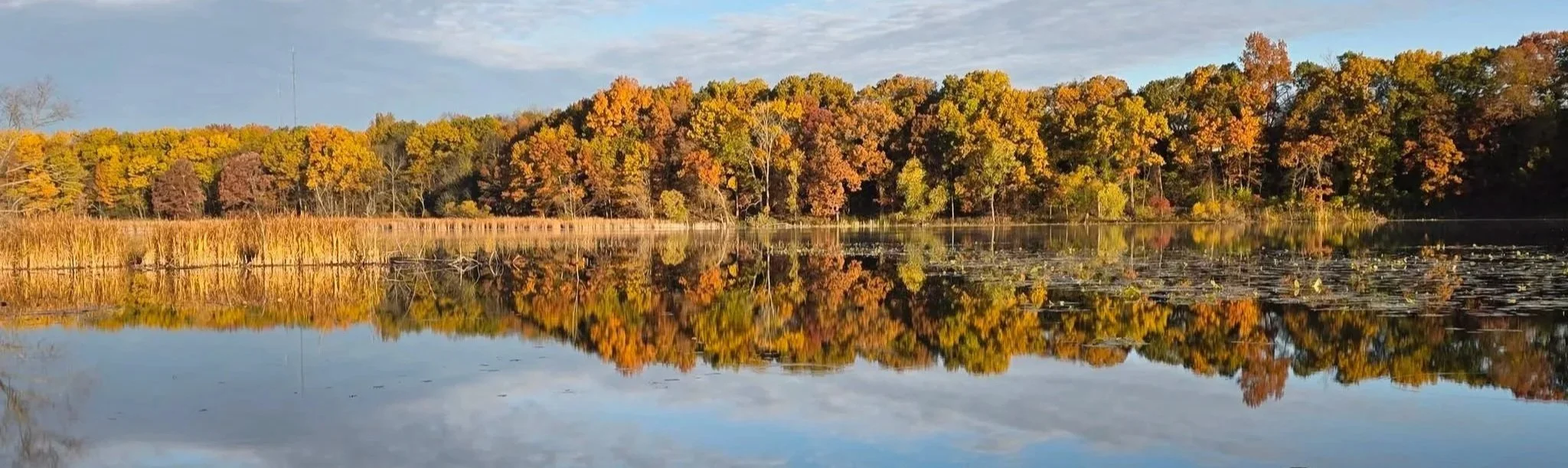
Natural Features of Asylum Lake Preserve
At Asylum Lake Preserve there are 455 plant species, 117 bird species, 6 varieties of frogs, 6 kinds of turtles, and an indefinite number of snakes, and of course, many white-tailed deer. Asylum Lake Preserve is composed of mature oak-hickory forests, sedge meadows, old fields, and prairie/savanna.
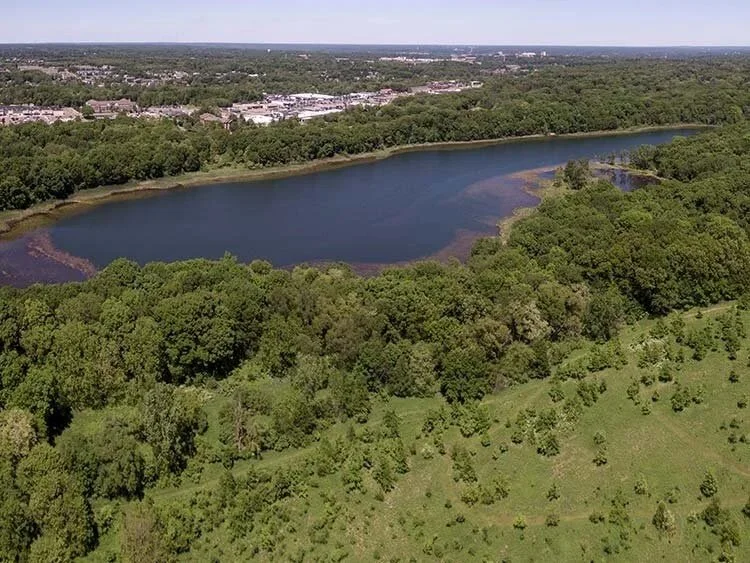
Ecological Management Plan: Prepared for WMU’s Asylum Lake Preserve Management Council, this management plan is intended to provide practical guidance for the stewardship of Asylum Lake Preserve over the next 10 – 15 years, with the expectation that a full revision of the plan will likely be required after that time due to changes in ecological conditions, organizational capacity, or other factors that are difficult to predict beyond that time.
preserve Flora
alum root • bog buckbean • bush honeysuckle (invasive) • calico aster (Aster lateriflorus) • Canada goldenrod • clearweed (Pilea fontana and P. pumila) • common reed • Culver's root • false nettle (Boehmeria cylindrica) • garlic mustard • glossy and common buckthorn (invasive) • gray dogwood • many native sedges and grasses • marsh fern (Thelypteris palustris) • marsh St. John's wort • narrow-leaved cattail • native prairie grass big bluestem • northern bedstraw • pignut hickory • purple loosestrife (Lythrum salicaria) • quackgrass • red clover • red oak • reed canary grass • sensitive fern (Onoclea sensibilis) • showy goldenrod • smooth swamp aster (Aster firmus) • spotted touch-me-not (Impatiens capensis) • tussock sedge (Carex stricta) • Virginia creeper • white and black oak • wild black cherry

Photo by William Dolak
preserve Fauna
American Crow • American Goldfinch • American Robin • Baltimore Oriole • black rat snake • Blanding's turtle • Blue Jay • Brown-headed Cowbird • bullfrog • Canada Goose • chorus frog • Common Yellowthroat • eastern box turtle • eastern chipmunk • fox squirrel • garter snake • Gray Catbird • green frog • groundhog • map turtle • muskrat • Northern Cardinal • northern water snake • painted turtle • Red-winged Blackbird • Rose-breasted Grosbeak • Savannah Sparrow • snapping turtle • Song Sparrow • spiny softshell turtle • spring peeper • tree frog • wood frog • Yellow Warbler • (Click here to see a photographic inventory of birds that board member Sharon Koole has assembled.)

Photo courtesy of Matt Clysdale, Kalamazoo, MI
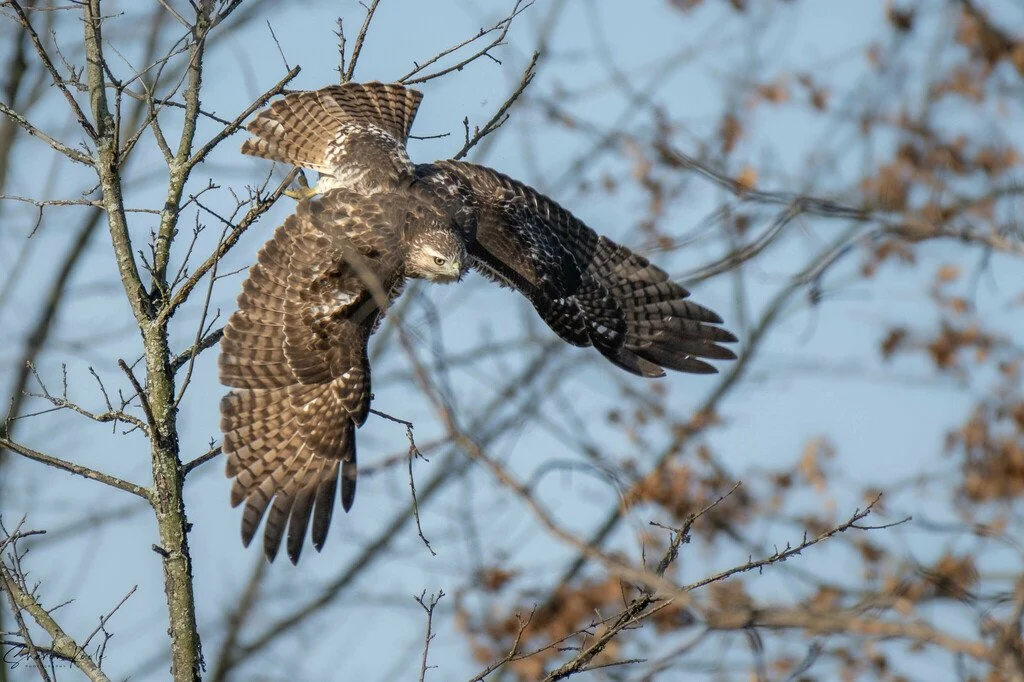
Check out over 100 bird photos from Asylum Lake Preserve, taken by board member Sharon Koole!
preserve water quality
The Hydrogeology Field Course offered by the Department of Geological and Environmental Sciences at Western Michigan University is one of very few hydro-technical programs in the United States. The Hydrogeology Field Course is taught as one-week, one-credit courses in the following disciplines: environmental surface geophysics, HAZWOPER training, well drilling and installation, groundwater sampling and monitoring, aquifer testing, and environmental remediation. Much of the geophysical testing, field work and training for this course is conducted at the Asylum Lake research and training site, which was developed to provide advanced field work and hands-on experience for our students. Hydrogeology is the study of groundwater.
fauna close-ups
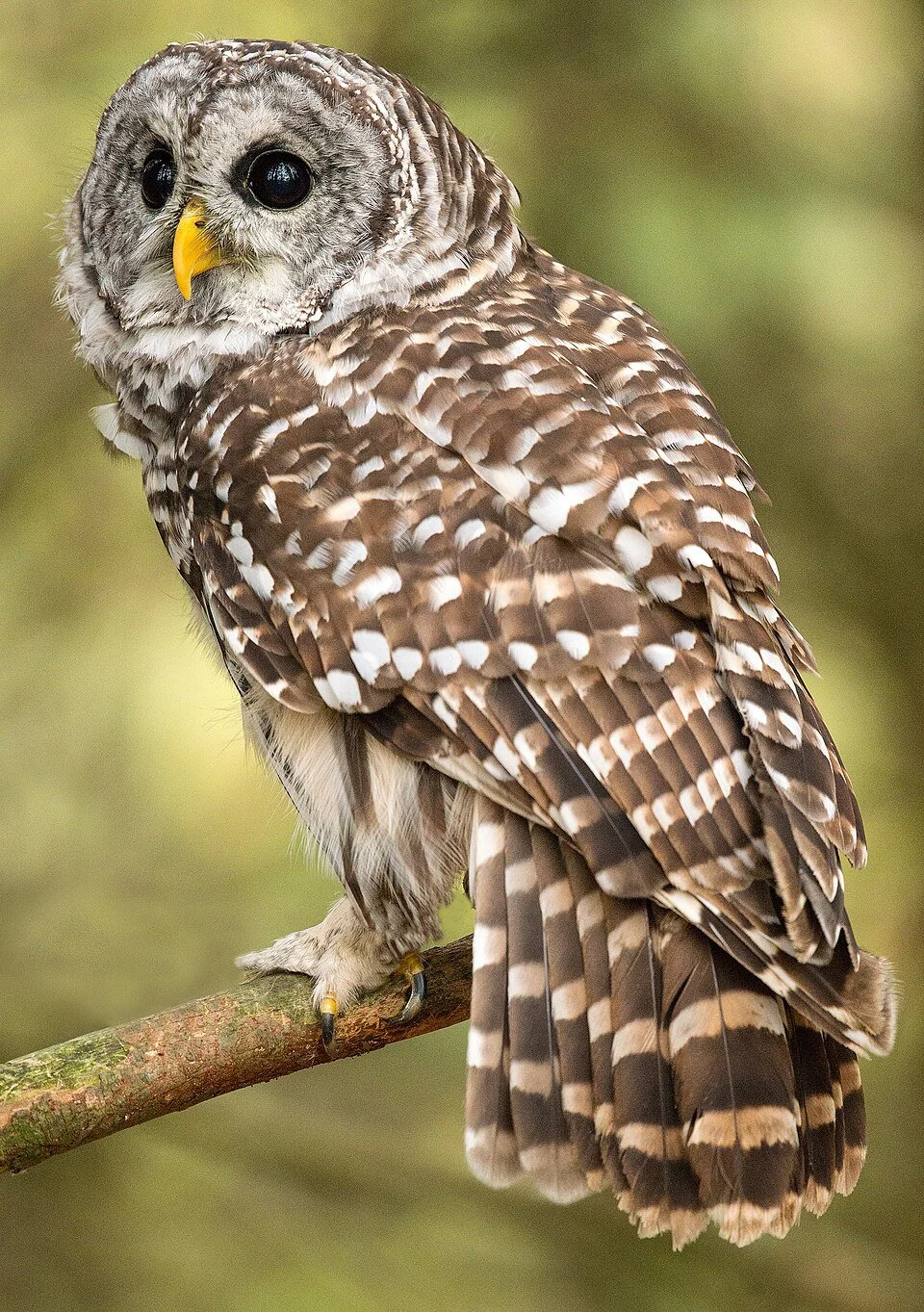
Photo courtesy of or Peter K Burian (WikiCommons)
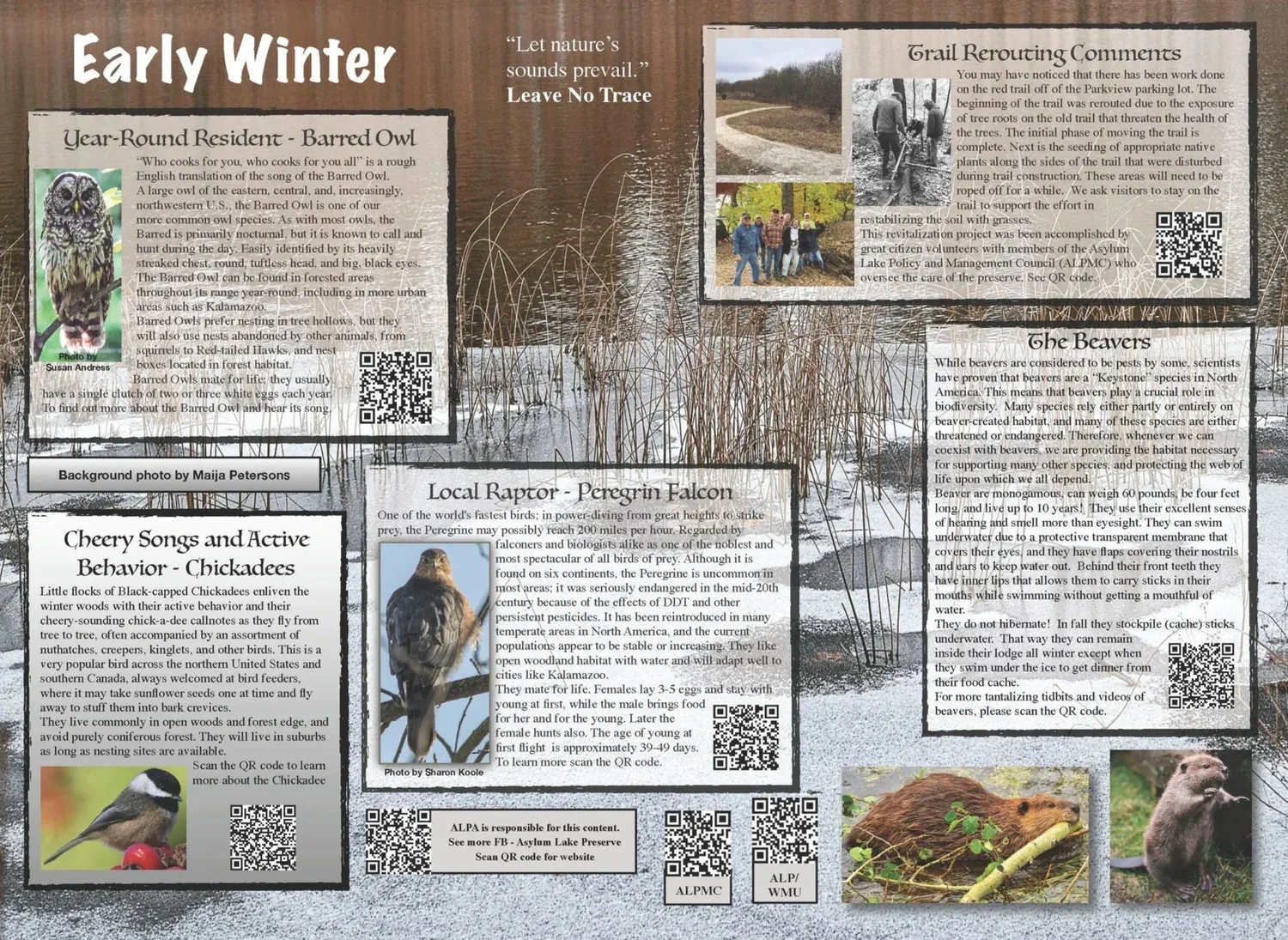
A Year-Round Resident: the Barred Owl
"Who cooks for you, who cooks for you all" is a rough English translation of the song of the Barred Owl.
A large owl of the eastern, central, and, increasingly, northwestern United States, the Barred Owl is one of our more common owl species. As with most owls, the Barred is primarily nocturnal, but it is known to call and hunt during the day. Easily identified by its heavily streaked chest, round, tuftless head, and big, black eyes, the Barred Owl can be found in forested areas throughout its range year-round, including in more urban areas such as Kalamazoo.
Barred Owls prefer nesting in tree hollows, but they will also use nests abandoned by other animals, from squirrels to Red-tailed Hawks, and nest boxes located in forest habitat. Barred Owls mate for life, and they usually have a single clutch of two or three white eggs each year.
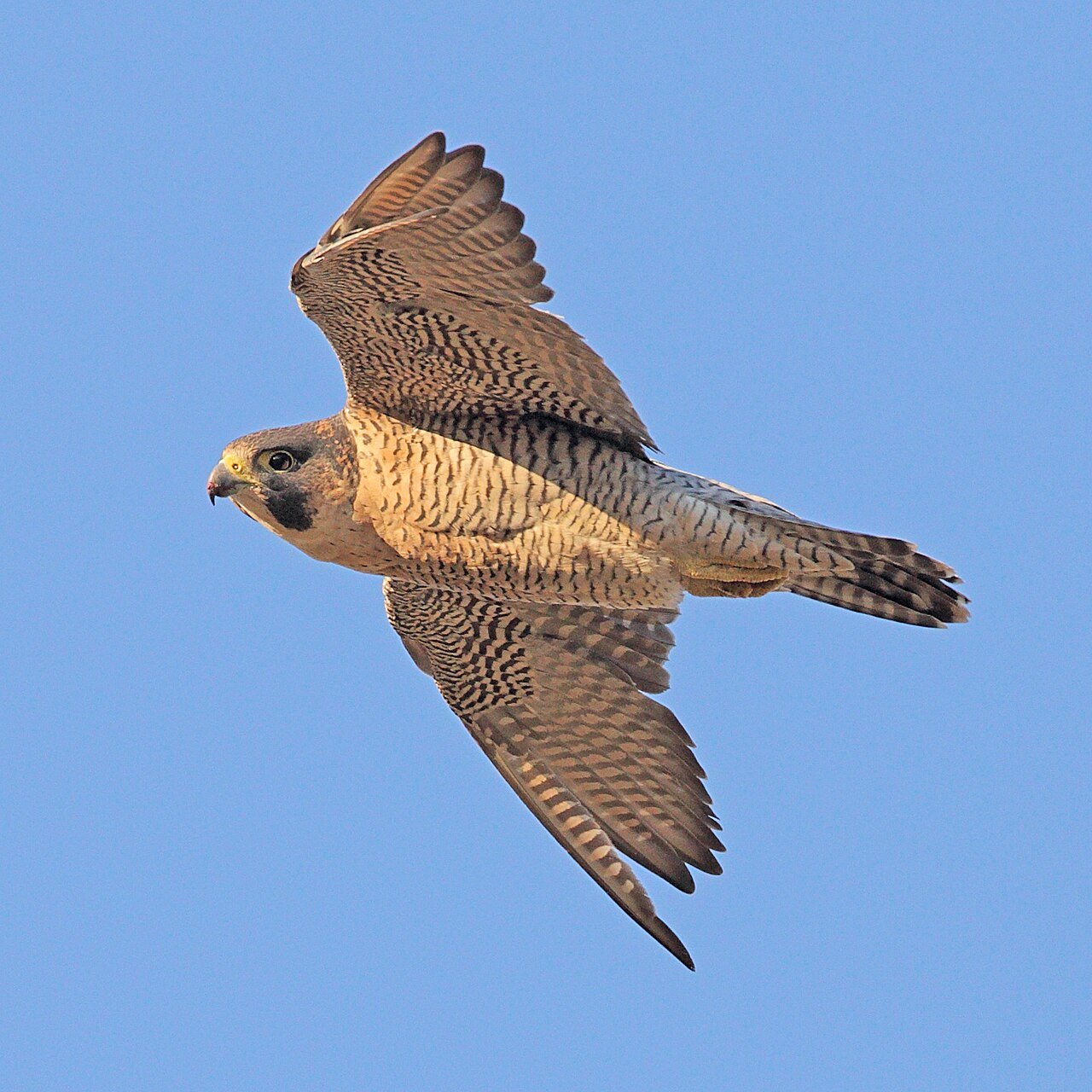
Photo courtesy of Juan Lacruz (WikiCommons)
Local Raptor: Peregrine Falcon
One of the world's fastest birds; in power-diving from great heights to strike prey, the Peregrine may possibly reach 200 miles per hour. Regarded by falconers and biologists alike as one of the noblest and most spectacular of all birds of prey.
Although it is found on six continents, the Peregrine is uncommon in most areas; it was seriously endangered in the mid-20th century because of the effects of DDT and other persistent pesticides. It has been reintroduced in many temperate areas in North America, and the current populations appear to be stable or increasing. They like open woodland habitat with water and will adapt well to cities like Kalamazoo.
They mate for life. Females lay 3-5 eggs and stay with young at first, while the male brings food for her and for the young. Later the female hunts also. The age of young at first flight is approximately 39-49 days.
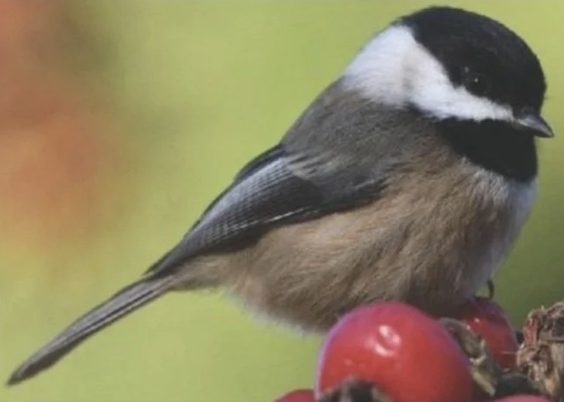
Cheery Songs and Active Behavior: Chickadees
Little flocks of Black-capped Chickadees enliven the winter woods with their active behavior and their cheery-sounding chick-a-dee callnotes as they fly from tree to tree, often accompanied by an assortment of nuthatches, creepers, kinglets, and other birds. This is a very popular bird across the northern United
States and southern Canada, always welcomed at bird feeders, where it may take sunflower seeds one at time and fly away to stuff them into bark crevices. They live commonly in open woods and forest edge, and avoid purely coniferous forest. They also live in suburbs as long as nesting sites are available.
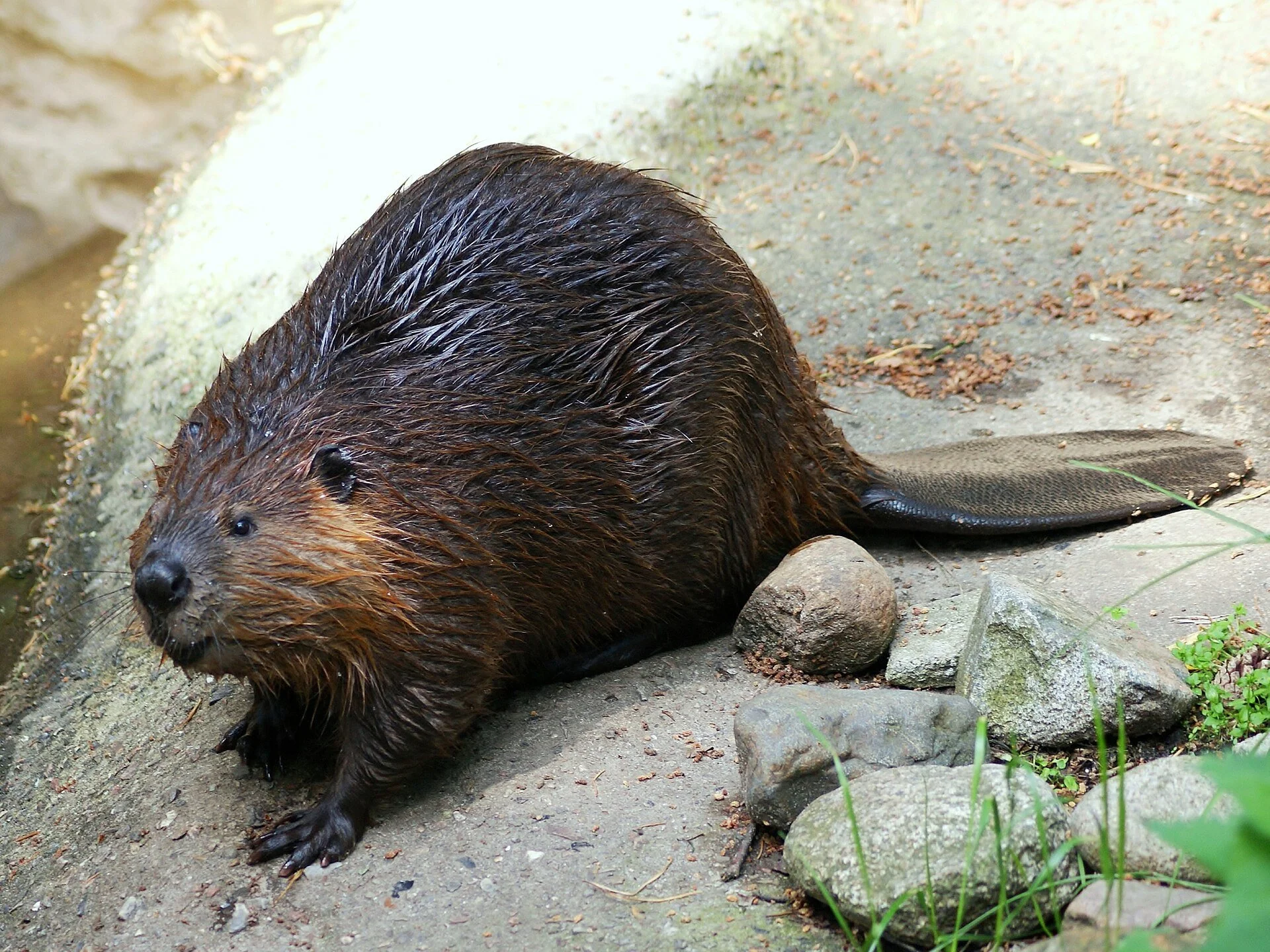
Photo courtesy of NasserHalaweh (WikiCommons)
KEYSTONE SPECIES: BEAVERS
While beavers are considered to be pests by some, scientists have proven that beavers are a "Keystone" species in North America. This means that beavers play a crucial role in biodiversity. Many species rely either partly or entirely on beaver-created habitat, and many of these species are either threatened or endangered.
Therefore, whenever we can coexist with beavers, we are providing the habitat necessary for supporting many other species, and protecting the web of life upon which we all depend. Beaver are monogamous, can weigh 60 pounds, be four feet long, and live up to 10 years! They use their excellent senses of hearing and smell more than eyesight.
They can swim underwater due to a protective transparent membrane that covers their eyes, and they have flaps covering their nostrils and ears to keep water out. Behind their front teeth they have inner lips that allows them to carry sticks in their mouths while swimming without getting a mouthful of water.
They do not hibernate! In fall they stockpile (cache) sticks underwater. That way they can remain inside their lodge all winter except when they swim under the ice to get dinner from their food cache.
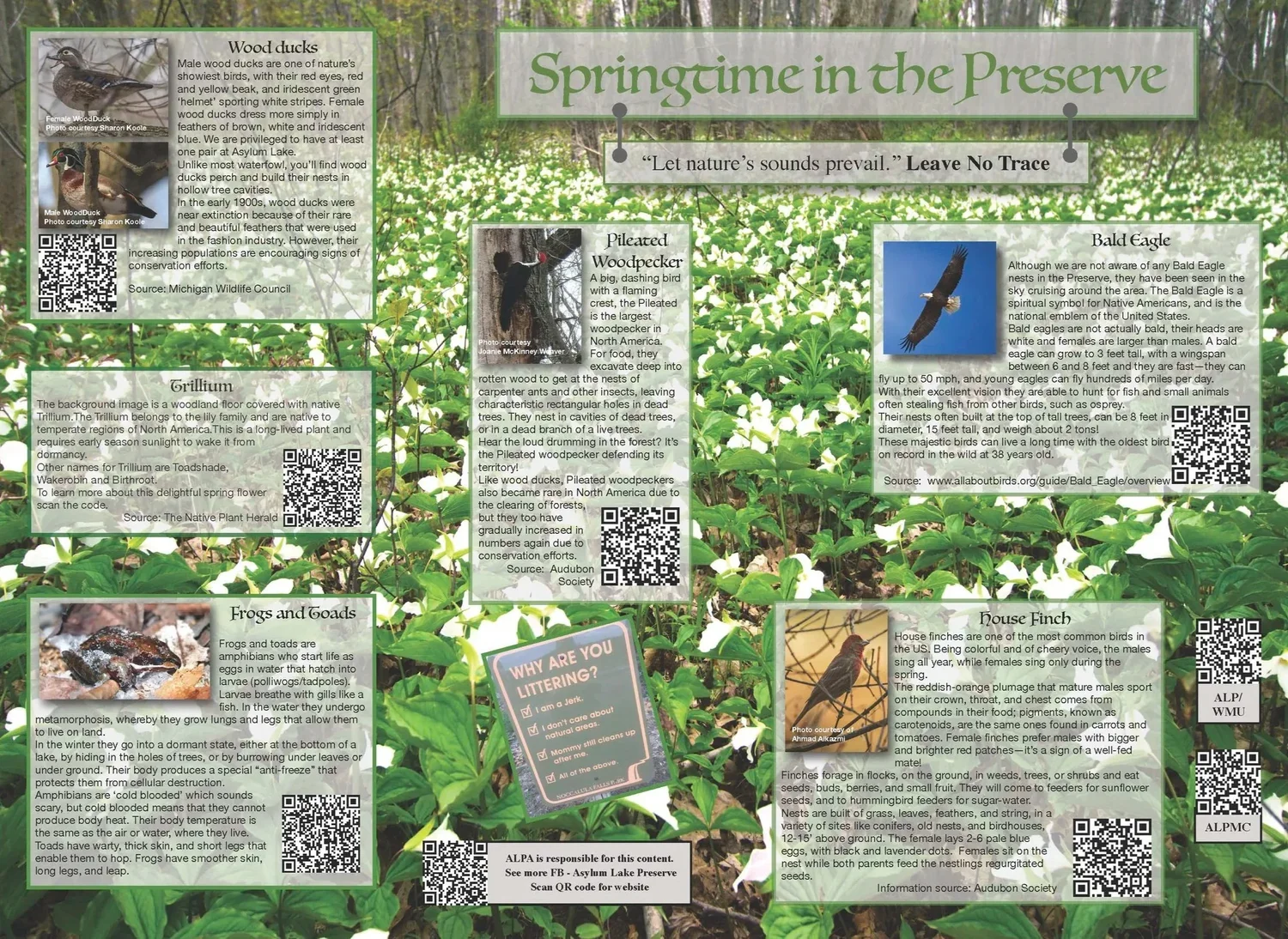
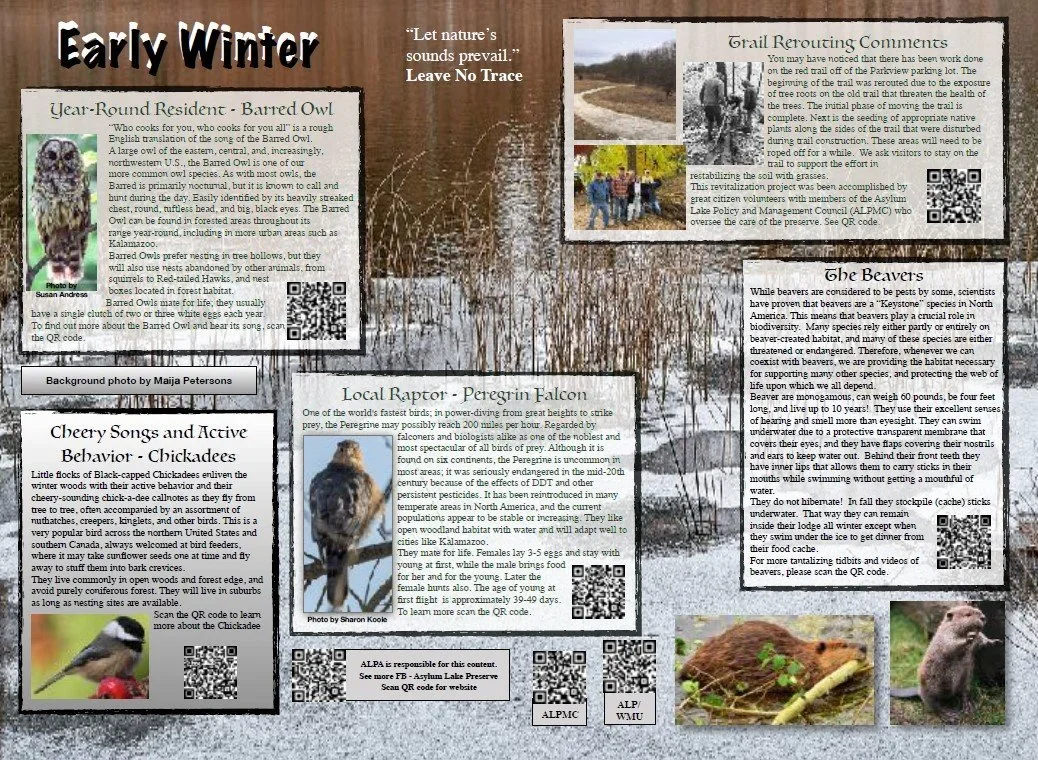
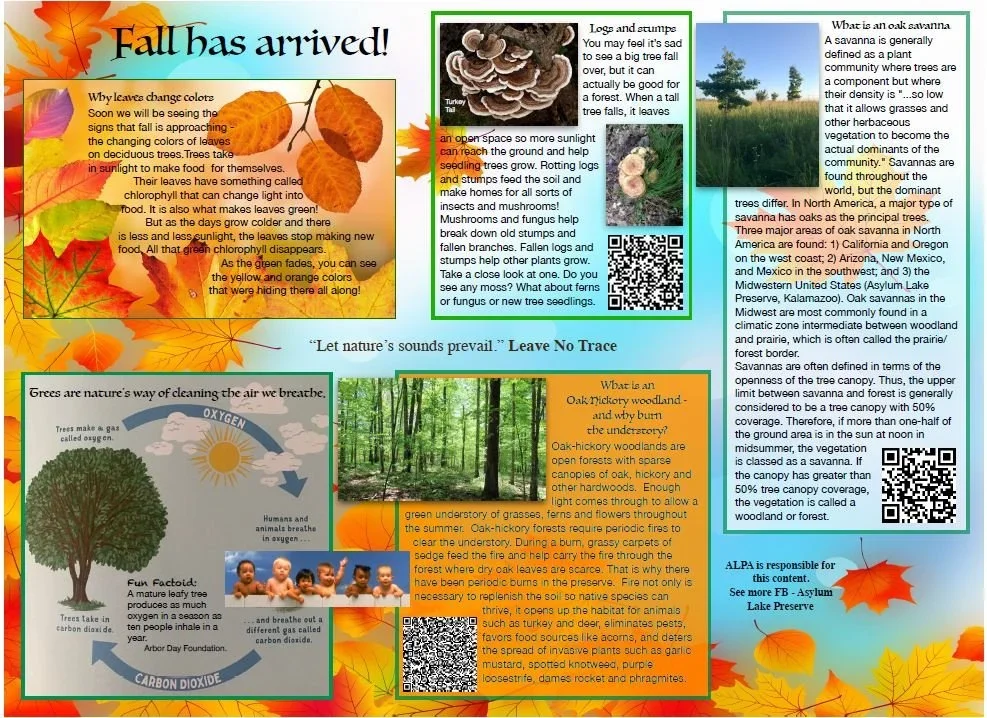
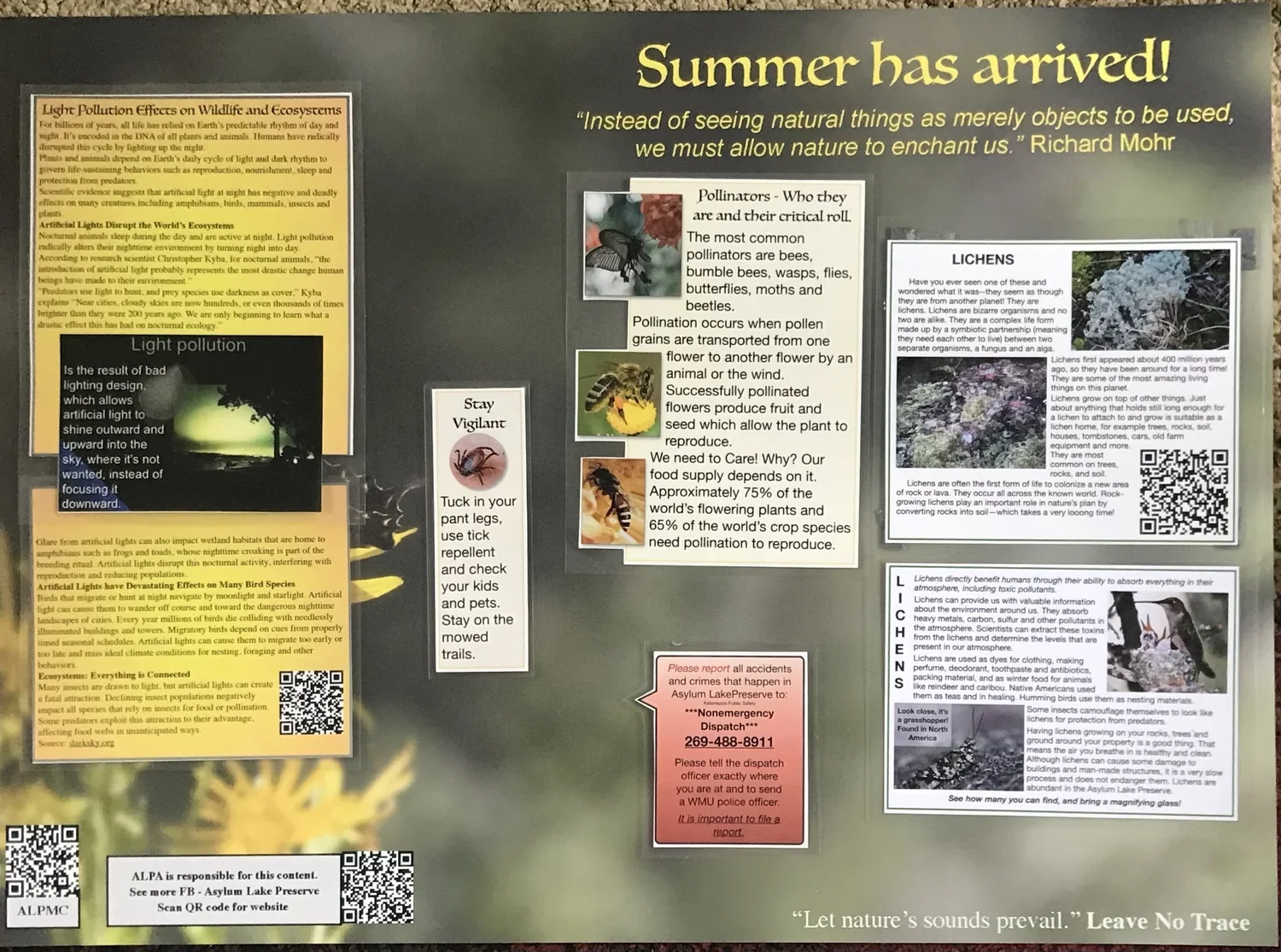
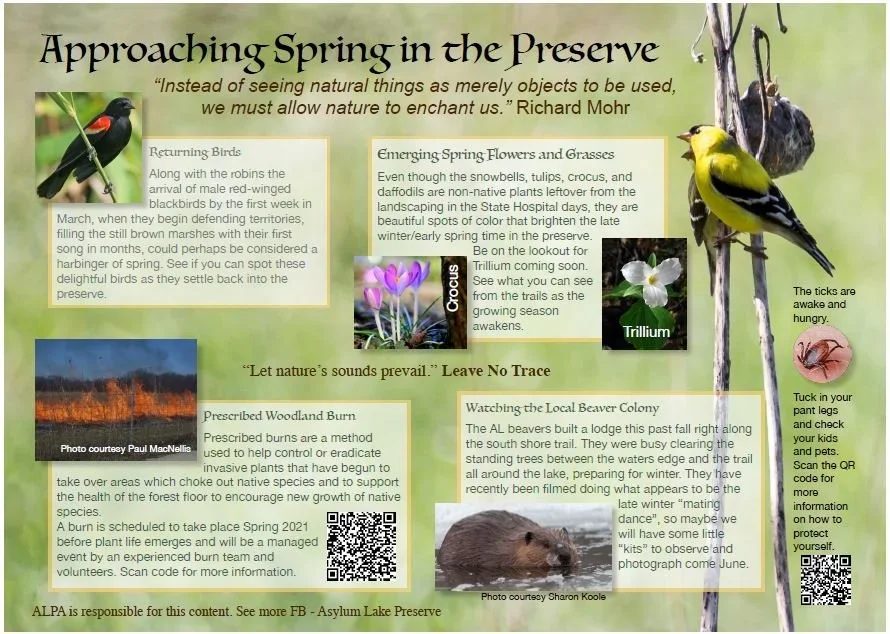
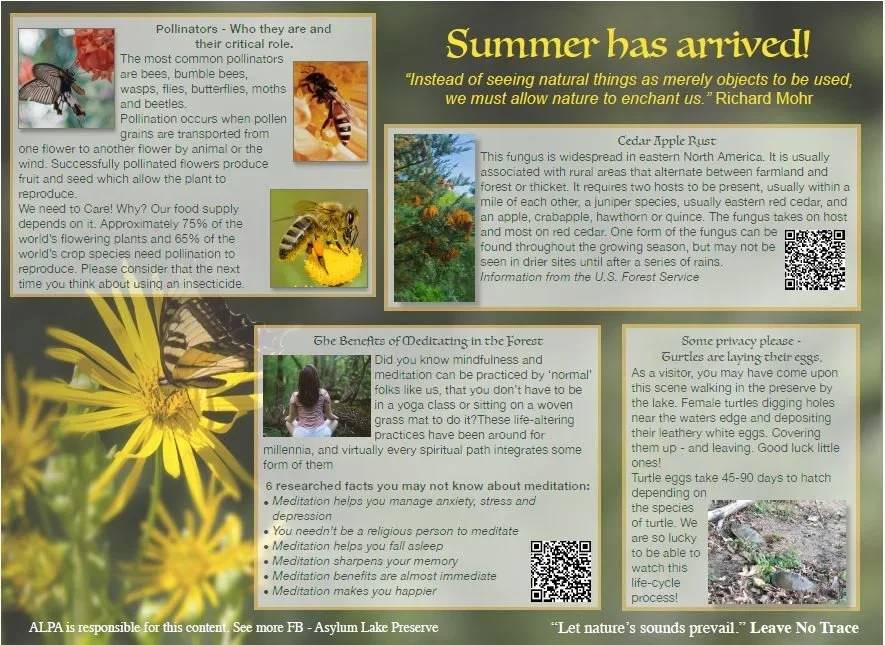
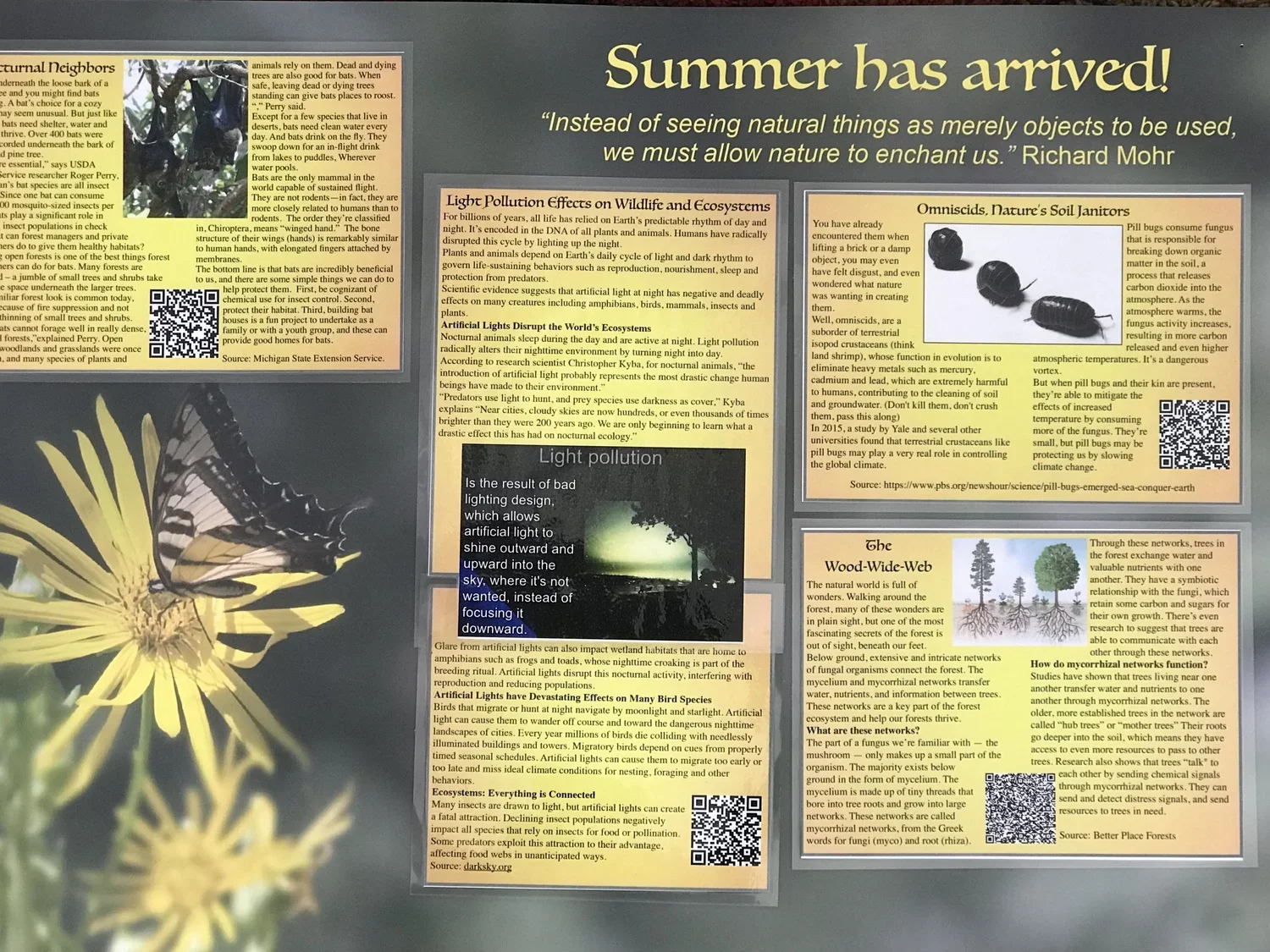
DIVERSITY THROUGH THE SEASONS
Look for these displays at trailhead shadow boxes.
Invasive species
Bush honeysuckle, glossy and common buckthorn, multiflora rose, garlic mustard, cattails, and common reed were identified as the most problematic invaders.
ALPA encourages you to not to purchase or plant these or any other invasive species and remove any that are currently in your own yard.